La Porta dei Parchi Organic Farmhouse — ASCA Cooperative
Anversa degli Abruzzi (AQ), in the heart of the great natural parks of Abruzzo
Almost 40 years of renewed pastoralism, raw milk, mountain cheeses and the pioneering “Adopt a sheep” project: a story of two degrees, a thousand sheep and a vision
Anversa degli Abruzzi: Where Italy's mountainous landscapes endure and reinvent themselves.
There are stories that cannot be told in a few lines — and that of the ASCA Cooperative of Anversa degli Abruzzi is one of them. We are in the heart of theInland Abruzzoin province of L'Aquila, in a medieval village famous in the 17th and 18th centuries for its ceramic production and today known as the “Gate of the Parks” — the key to what has been called the queen region of Italian natural parks: National Park of Abruzzo, Lazio and Molise, Majella National Park, Gran Sasso and Monti della Laga National Park, Sirente-Velino Regional ParkIn this rugged and magnificent landscape - of rugged hills, limestone gorges, high-altitude pastures and stony villages - the ASCA Cooperative has built in almost 40 years of business one of the most fascinating and pioneering experiences of Italian organic farming: a story of renewed pastoralism, of raw milk defended tooth and nail, of excellent cheeses, of revived transhumance, of a farm that has become a laboratory of Slow Food taste, and of an idea - that of “adopt a sheep from a distance” — who in the early 2000s made the Abruzzo of shepherds known to the entire world.
The Origins: Nunzio Marcelli and the 1977 Challenge
The history of ASCA begins in 1977, when a young graduate in Agricultural economics named Nunzio Marcelli decides to return to his Anversa degli Abruzzi not to practice his profession of study in the city, but to found a farmHis thesis was dedicated to the valorization of marginal areas of Abruzzo through the diffusion of sheep farming: a theoretical project that Nunzio intended to transform into reality, taking inspiration from the ancient experiences of pastoralism of neighboring realities such as Scanno, Castel del Monte, and Pescocostanzo —countries that for centuries had had wool and cheese as their main economy, before the depopulation of the twentieth century. Five hectares of land were the starting point; three years later, in 1980, the project was financed by the then Case of the South, which allowed the realization of thesheepfold and garage for vehicles, from the barn and a support building. The original plan included the breeding of both sheep (1.000 heads) both of cattle (100 heads); however, the roughness of the mountain terrain Abruzzese were found to be incompatible with large animals, and so it was decided to focus only on sheep — a choice that would prove, in the years to come, to be brilliant and distinctive.
Meeting Manuela: From Tuscany to medicinal plants
In 1982 arrives in Anversa degli Abruzzi Manuela, young Tuscany graduated in Agricultural Sciences at the University of Florence with a thesis in zootechnics on sheep feeding. Manuela collaborates on a research project funded by the Ministry of Agriculture on medicinal and aromatic plants, and was sent to Abruzzo—a region particularly suited to this type of crop, as demonstrated by the renowned production of Navelli saffron. ASCA owned the five hectares on which to conduct the research, and Manuela moved there to oversee the experimental crops. From that moment on, their paths would never again separate: Manuela and Nunzio they become life and work companions, and together they begin to build a vision that is both tradition and innovation, scientific research and peasant passion, managerial management and a deep love for the territory.
"Two degrees to keep up with the sheep": the preconception and the response
"It was hard to understand how good guys could waste two degrees looking after sheep.” — Manuela tells today, remembering those difficult years in which their choice seemed to most people incomprehensible, even absurdThe choice to set up a sheep farm, at the beginning of the 80s, in an area where sheep farming had not been particularly widespread and in a social and cultural environment that shunned agriculture and from animal husbandry in particular, seemed senseless. It was — Manuela clarifies — "a typically Italian preconception“, given that in many European countries (France, Germany, Holland, Scandinavia) the managers of agricultural and livestock companies have a university-level technical and managerial training, and agriculture is considered a highly skilled profession, not a second-best option. Manuela and Nunzio soon realized that their competitive edge It would have been the perfect combination between traditional concept of breeding — respectful of ancient pastoral techniques, of the local rustic breed, of extensive grazing — and organizational and management innovation: the ability to conceptualize the business with contemporary tools, to leverage supply chains, to build networks, and to communicate with the public. A rare combination in the Italian landscape of the time.
The turning point of agritourism (1987): “La Porta dei Parchi” was born from the urgency
In the 80s, ASCA faced a dramatic reality: the prices of traditional pastoral products were collapsing, but with continually increasing production and living costs. None of the traditional sheep farming products could sustain the company economically anymoreIt was necessary. to innovate radically: internalize the phases with the highest added value (slaughter, cheesemaking), equip ourselves with modern facilities (slaughterhouse, cheese factory), find new sources of income throughout the year. 1987 — among the first in Abruzzo to do so — Nunzio and Manuela diversify into agritourism activities: born like this The Gate of the Parks, a farmhouse immersed in the Abruzzo mountains which bears the name central location between the large natural parks of the region. The farm is included in the circuit Slow Food And in the Taste Workshops: the catering business is managed according to the principle of “eat informed“, whereby guests are explained the ingredients used, their organoleptic characteristics and the processes adopted to produce them. regulatory limitation (30 beds, 50 at the table) has induced the Cooperative to enhance the entire surrounding area: in case of "sold out", the application is diverted to other agritourism businesses of the area and on private houses in the medieval village of Antwerp, for a total of approx 200 beds systematized. An early example of rural network tourism.
The network: ARPO, Pastoral Consortium, Produce Park
"We grow to the extent that the context in which we operate grows.” — is the phrase that guided Manuela and Nunzio in building areticular architecture around ASCA, based on the belief that the small size of the Cooperative alone would never have allowed it to exploit economies of scale or address regulatory challenges. 1987 This is how theARPO — Regional Association of Sheep and Goat Producers, which counts today 176 livestock farms with a load of livestock equal to 40.000 heads. ARPO manages the dairy where many members bring their own milk (processed according to specific specifications) and organize the biological section: today 15 companies — including ASCA — have obtained the organic certification of its own dairy products. To encourage cheesemaking even during the summer, when the sheep are grazing in the mountain pastures above the 1.500 meters, the Association has acquired a mobile dairy which allows the production of cheese directly at altitude. In 1996 the Consortium for the Protection of Pastoral Products of the Abruzzo Parks, which allowed the acquisition of a transportable mobile milking parlor compliant with EU standards, driven to the mountain pastures by any tractor or off-road vehicle. 1998 finally the Parco Produce Consortium, between companies of typical products of the Peligna Valley and Alto Sangro, which manages a small warehouse at ASCA and the online sale of consortium products — liqueurs, jams, oil, wine, saffron, honey, flour, pasta — a pioneering example of Italian rural e-commerce.
The battle for raw milk: a regulatory victory
One of the most important battles fought by ASCA and the ARPO network was that of raw milkIn the 90s, the ASL of the Abruzzo Region imposed (in compliance with the HACCP regulations, believed by many to favor the multinational agri-food companies producing industrialized foods) the mandatory pasteurization of milk, preventing the processing of raw materials. A devastating decision: the wild grazing gives sheep and goat milk unparalleled organoleptic characteristics, and pasteurization does lose up to 70% of these qualities. It would have been the end of traditional cheeses — those that in the specifications describe unique aromatic profiles, the result of native bacterial flora of mountain pasturesManuela and Nunzio led ARPO in a sometimes bitter confrontation with the ASL, until it came to the creation of a register of typical Abruzzo dairy products accompanied by specific regulations which expressly provided for the raw milk cheesemakingThis regulatory achievement has allowed us to safeguard an entire regional cheesemaking tradition and continues to guarantee ASCA cheeses the sensory authenticity that distinguishes them.
“Adopt a sheep, protect nature”: the pioneering idea that made Abruzzo known to the world.
In the 2000s, Manuela and Nunzio understood that it was necessary take another step forward: it needed ainitiative capable of attracting media attention and to bring the final consumer into direct contact with the company. Thus was born, with an intuition that set a precedent in Italy and abroad, the project "Adopt a sheep, protect nature“. The mechanism is simple and ingenious: the aspirant “adoptive parent” pour a annual contribution and in exchange receives, during the following year, the products of the adopted sheep lamb, milk, cheese, ricotta, wool and manureAll products are guaranteed by quality brands; each adoptive parent can also be hosted at the farmhouse to personally verify the conditions of the farm. The advantages are many: for the customer, a savings on market value , absolute certainty of the authenticity of the products; for the community, a social and environmental return thanks to the involvement of public opinion on issues such as environmental degradation andabandonment of the mountain from semi-wild farms. Unlike previous international experiences, the Antwerp initiative was the first in the world to allow the parent to make concrete use of the sheep's assets — not a simple donation, but acircular rural economyThe project attracted the attention of international television, newspapers and networks, helping to make the shepherds' Abruzzo known to a global audience and bringing new tourism to the village of Anversa.
Products: 15 cheeses, sheep's salami, juniper-smoked ricotta, organic wool
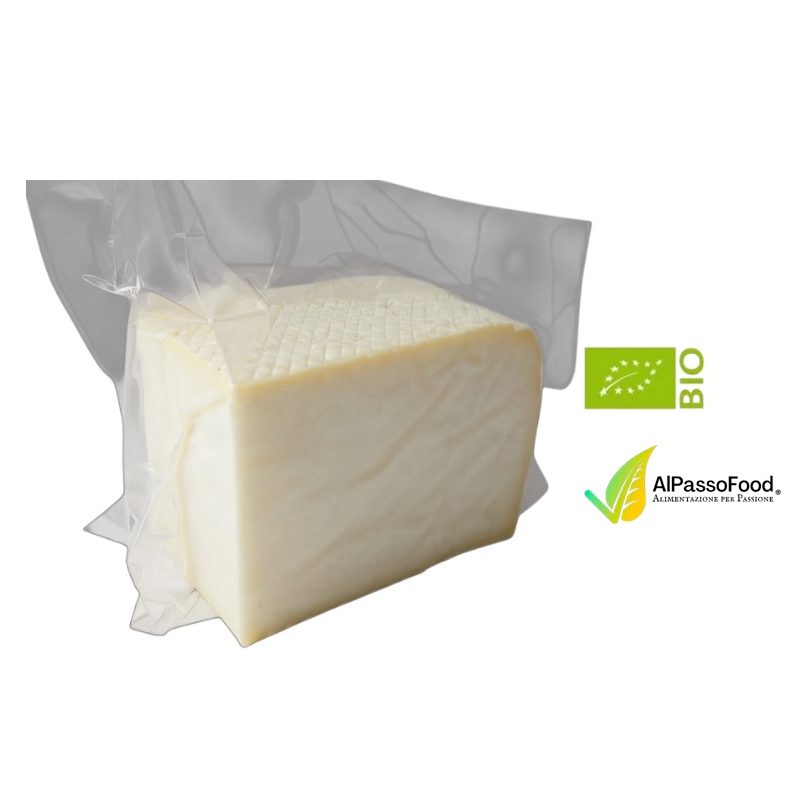
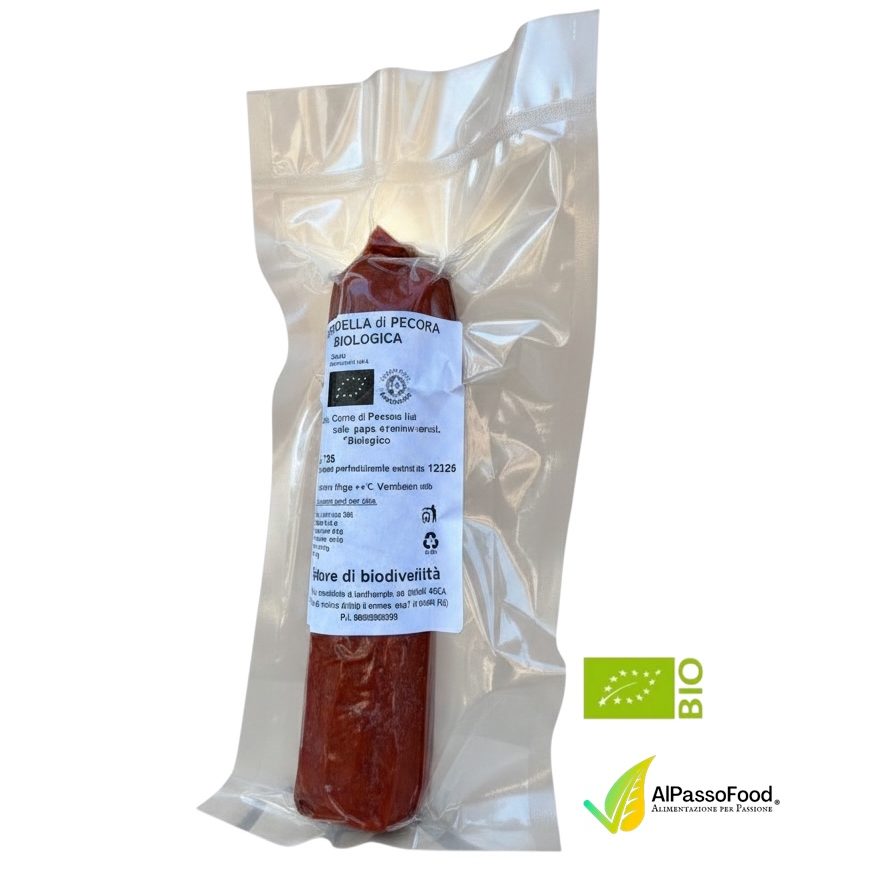
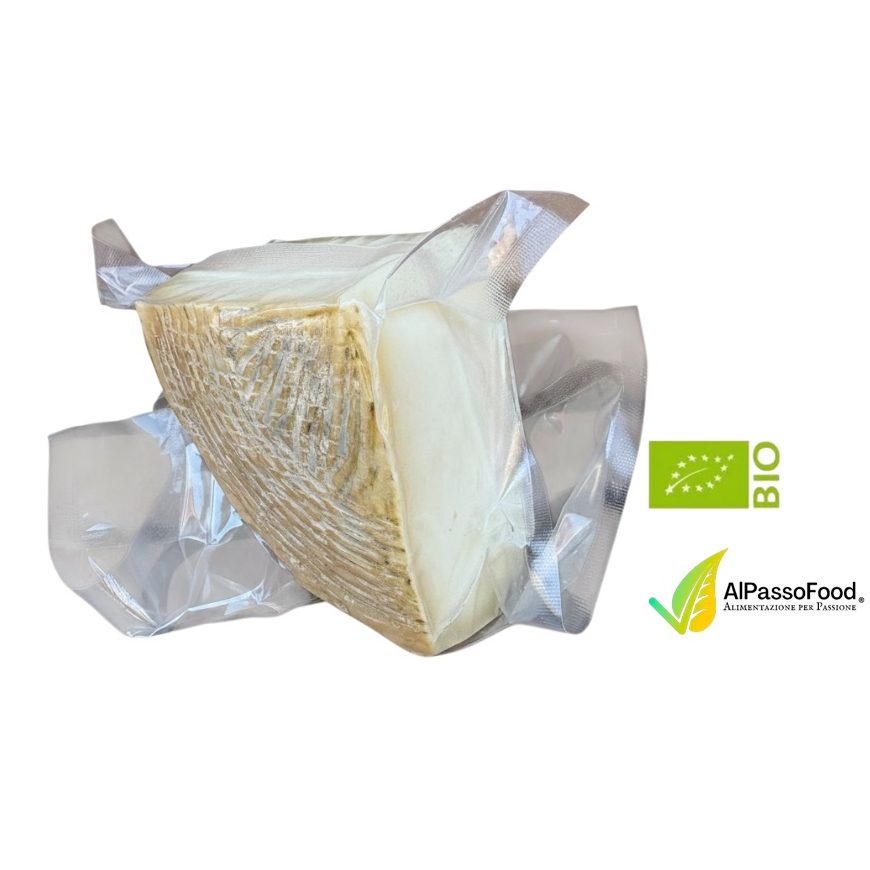
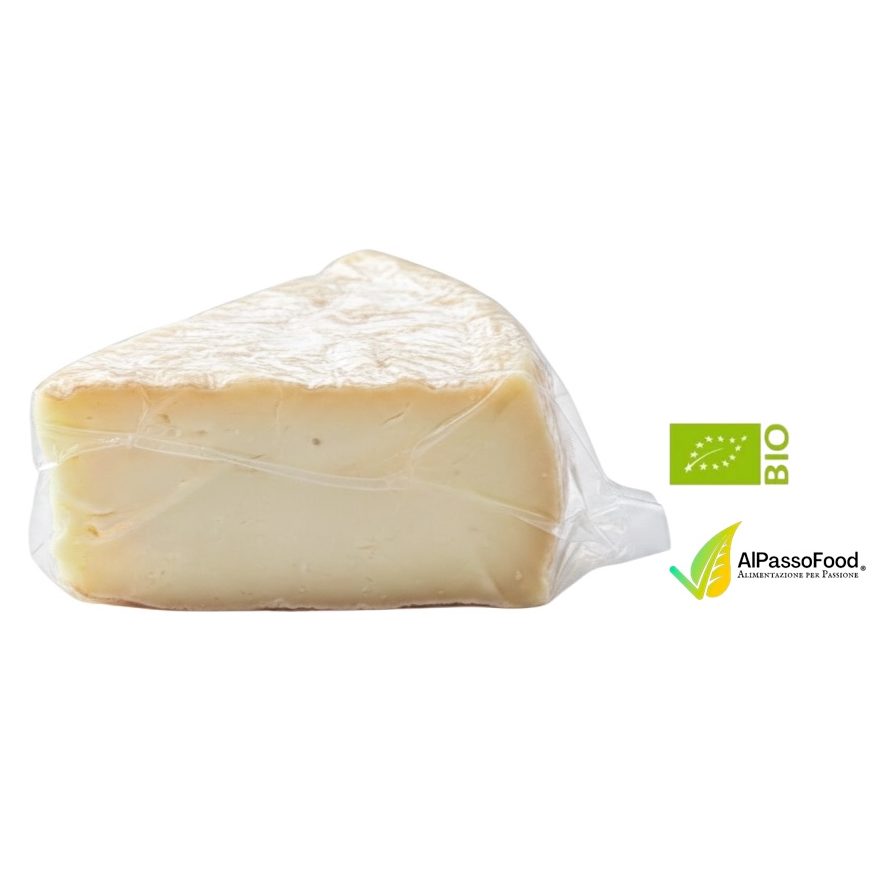
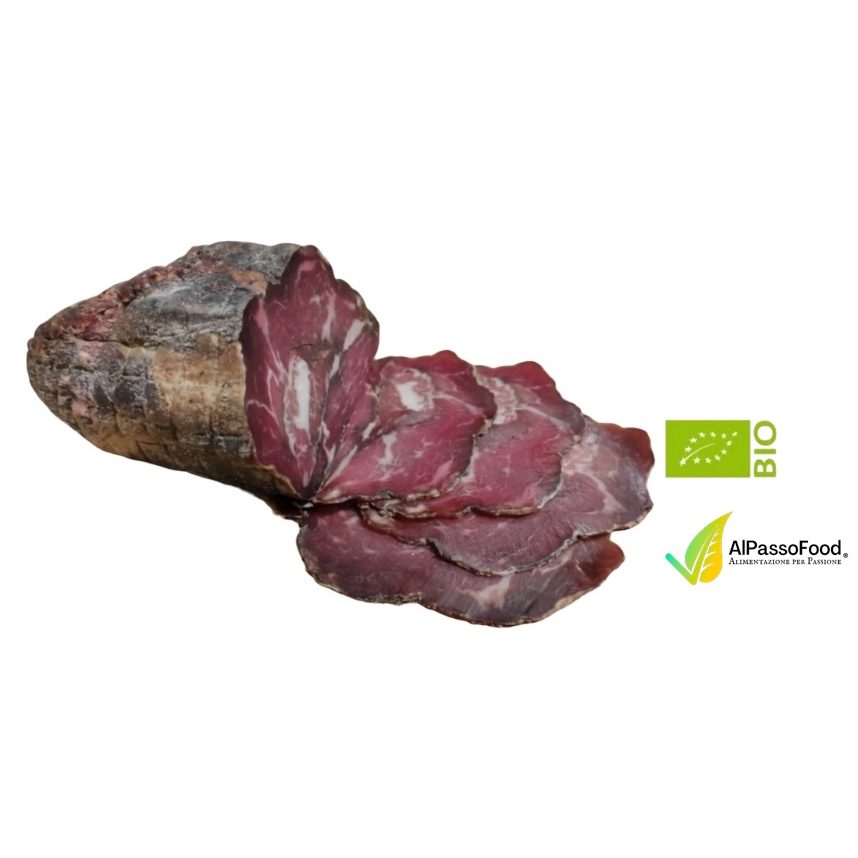
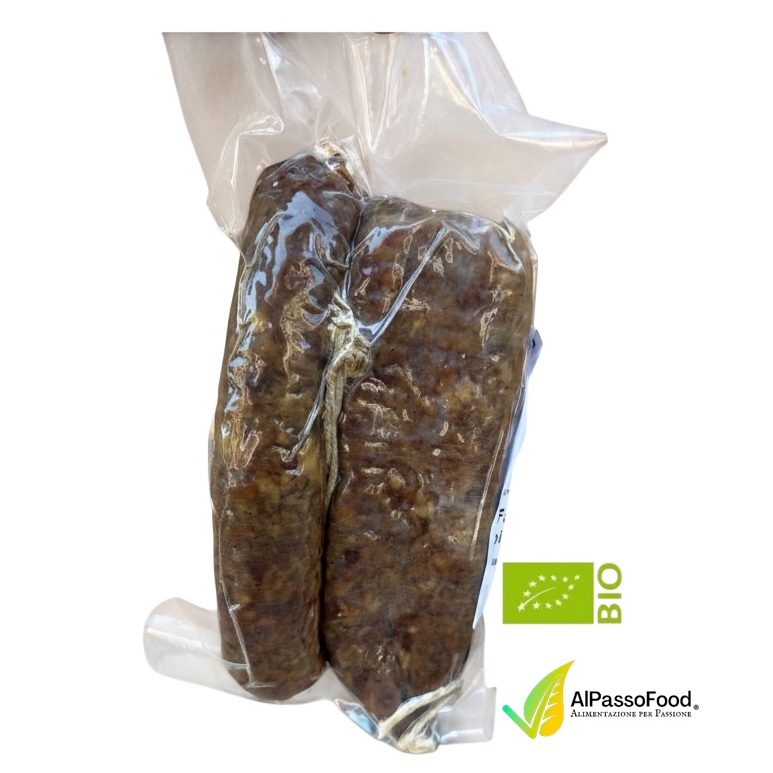
Today La Porta dei Parchi produces about 15 varieties of cheeses sheep and goats, each with well-defined organoleptic properties and linked to animal diet based on natural breeding: each cheese tells a story pasture, season, aaltitude, botanical flora different. Among the gastronomic innovations which have set a precedent in the Italian panorama include two emblematic products: the sheep salami — recovery and reinvention of an almost forgotten tradition of sheep pork butchery, today proposed in a modern key — and the smoked ricotta with juniper, which combines the traditional Abruzzo smoking technique with balsamic note of juniper berry collection in local woods. The shearing, in addition to safeguarding the animal's health, provides organic wool of the highest quality, used in the laboratory for natural dyeing courses and weaving as a relaxation technique. All ASCA products are ICEA Organic certificates and respond to the most severe traceability and animal welfare protection protocols.
Transhumance, school groups and the future
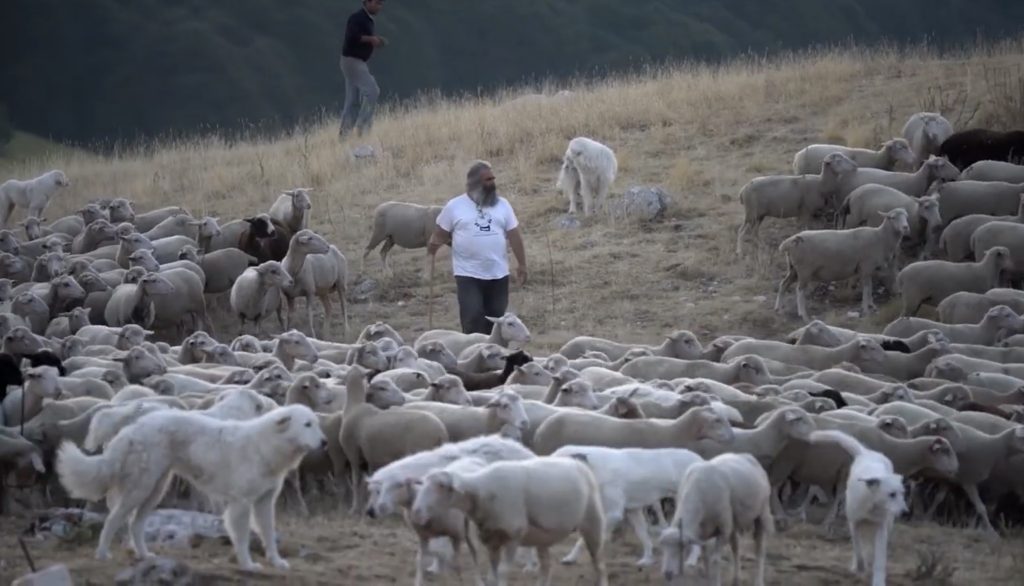
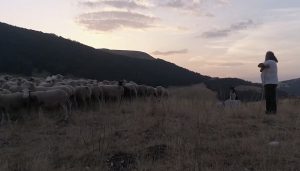
For almost 40 years Manuela and Nunzio are busy every day in the challenge for responsible and ethical agricultureOne of the initiatives that makes them most proud is the Transhumance as a life experience with shepherds: each year a limited number of participants are welcomed for walking with the flock along the ancient Abruzzo sheep tracks - those grassy stone paths that for millennia have connected the summer pastures of the mountains to the winter pastures of the plains, recognized UNESCO Intangible Heritage in 2019. An ancient practice that has now almost disappeared, which is kept alive in Antwerp as educational and cultural experience. In addition to this, the Cooperative organizes visits for school groups with "lessons on the farm" environmental and naturalistic internships, school camps, green weeks, natural wool dyeing courses and weaving, all designed for give young people the opportunity to live in contact with uncontaminated places and to share moments of healthy rural life rich in ancient values. This is how the Porta dei Parchi continues to be — exactly as it almost 40 years ago a bet against the current, And a a story worth telling.
Follow us on Instagram for lots of news: @alpassofood
We answer all your questions about WhatsApp